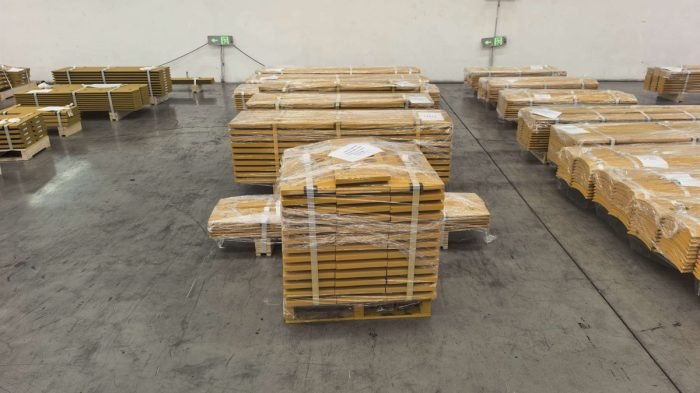
When companies start looking for an AMR, the first question is often: “How much weight can it carry?”
That matters, but it is not the only thing to check. In pallet-handling projects, the pallet itself often determines which robot will work reliably.
Before choosing an AMR, start with these questions.
1. What exactly will the robot move?
Will it move a complete pallet, or only materials placed on a pallet?
Please confirm the pallet dimensions, total load weight, minimum and maximum load, and whether the load is stable during transport.
A robot that handles a 500 kg pallet may not be suitable for a 1,200 kg pallet, even if the route looks simple.
2. What type of pallet are you using?
The most common options are wooden, plastic, and steel pallets.
Wooden pallets are widely used, but their condition and bottom structure can vary. Plastic pallets are usually more consistent in size and shape. Steel pallets are stronger, but they are also heavier and may require a different lifting solution.
The pallet size and bottom structure are especially important. A pallet with a closed bottom, uneven boards, or limited fork access may need a different robot design.
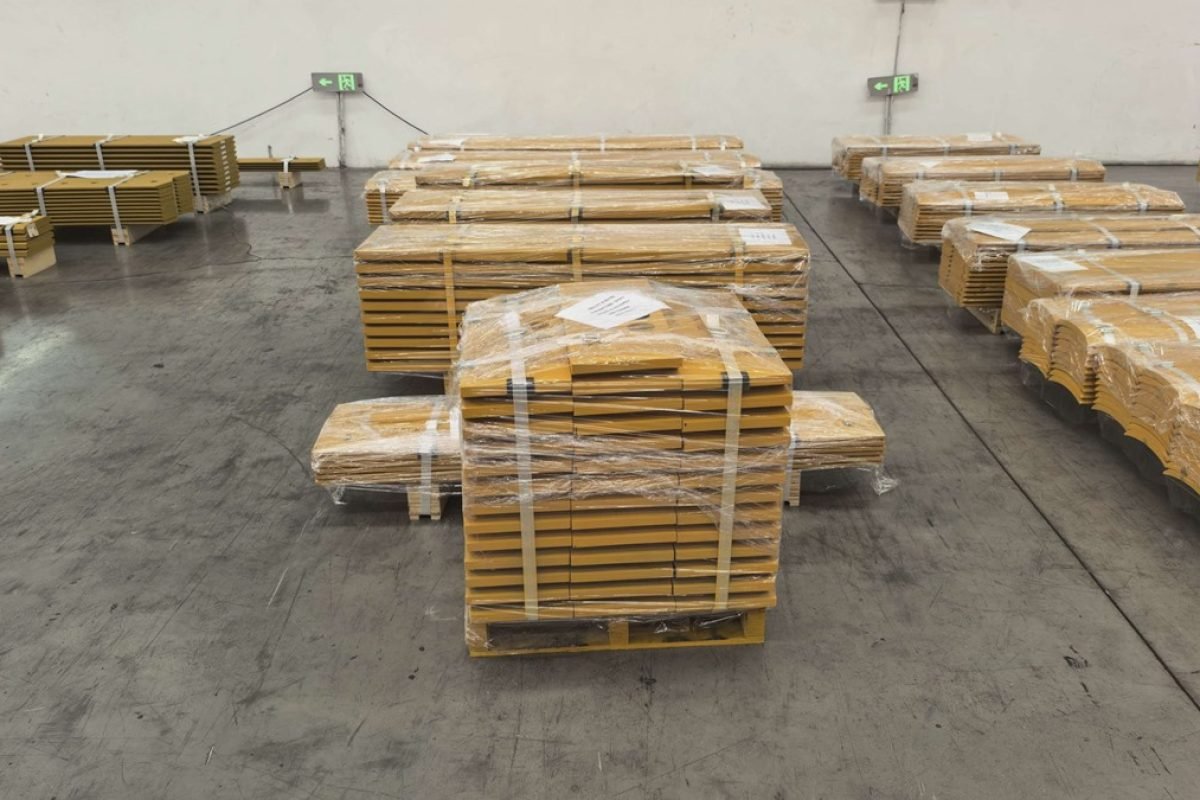
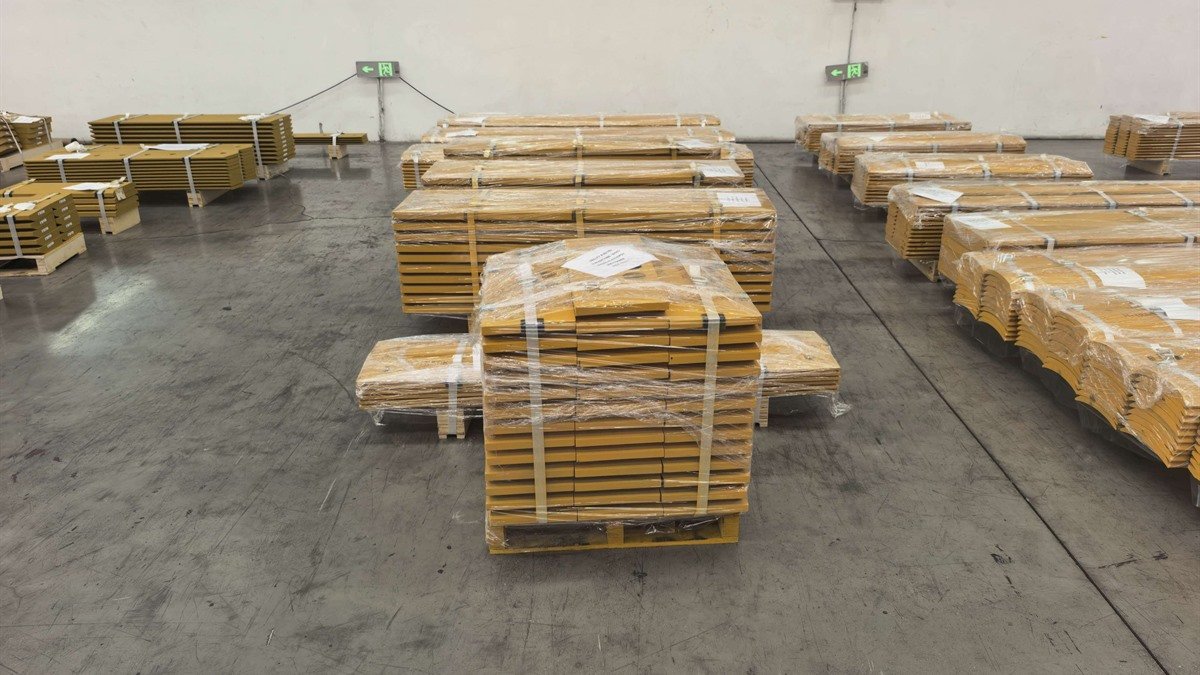
A few clear pallet photos are often more useful than a long specification sheet.
3. Does the robot only transport, or also lift?
Some AMRs only move under a pallet. Others lift the pallet, pick it up from a station, or place it onto a conveyor or rack.
Identify the actual task: point-to-point transport, pallet pickup and drop-off, conveyor transfer, rack loading or unloading, or stacking and unstacking.
The robot needs to match the handover process, not just the load weight.
4. What does the route look like?
Share the main route, floor condition, door widths, ramps, elevators, and the busiest areas.
Also tell us the average and peak moves per hour, distance per trip, and number of shifts per day. These details help determine the required AMR quantity and battery strategy.
5. How will the robot receive instructions?
The robot may be called by a WMS, MES, barcode scanner, button, PLC, or a simple manual interface. Knowing this early helps avoid integration problems later.
What to send for a quick AMR assessment
To start a discussion, send us photos of the pallet and load, pallet size and total weight, pickup and drop-off points, a simple route map, average and peak moves per hour, and any conveyor, rack, or system interface requirements.
With this information, we can quickly check whether a standard pallet-handling AMR is suitable or whether a customized solution is needed.